
Life Exists Outside of Work (and it’s vital to make time for it.)
During what I’d call my “peak burnout season” (around 12 months post-qualifying), I pretty much abandoned the things outside of work that were actually good for me. Not the textbook “eat well, exercise, get fresh air” stuff (though those matter too). I mean the proper distractions — the things that let your brain escape entirely.
The Pre-Burnout Joys
In my early 20s, that meant cheap, low-brow fun with friends, endless laughs, and nights out that left me with memories (and sometimes regrets). I loved every second, and honestly, those moments probably delayed the full-force burnout for longer than I realised. Alongside that, I was mixing in gym sessions, lazy sofa marathons, date nights, and always keeping a holiday, weekend, or random night away in the diary — something to look forward to.

And Then Came Lockdown
Overnight, all those outlets for joy and escapism vanished under the new stringent “stay at home” rules (and across most of the world, in some form). The very things that kept me sane were suddenly off-limits.
Layer onto that the constant stress and uncertainty about health, safety, and society. Then sprinkle on the fact that, like so many others, I was working in healthcare while it felt like the rest of the world had retreated indoors. In those early days, it genuinely felt like something out of a disaster film — and for those of us on the so-called “front line,” there were moments where we felt less like heroes, more like cannon fodder.

When Burnout Finally Smacked Me in the Face
This is where burnout really crept in. But, true to form, I didn’t actually notice it until it was glaring back at me in the mirror like a giant, flashing neon sign. (Apparently, subtlety isn’t burnout’s style – read more on this here.)
Only when I was desperately trying to claw my way out did I realise that the things lockdown had stolen weren’t just “the joys of my youth” (two years gone in a flash), but the very things keeping me afloat in the first place.
What I Learned (the Hard Way)
If I could give one piece of advice here, it would be this: pay attention to the stuff that keeps you steady — and for the love of scrubs, don’t let it slip. Otherwise, you might find yourself in a spectacular mess like I did.
So, after that delightful realisation, I had to figure out new, cobbled-together ways to cope with the scraps of “resources” we were left with (no outdoor time, no gyms, no socialising…). For added fun, I was living in a third-floor flat with zero outdoor space, and my partner was also a front-line worker on different shifts — translation: a lot of solo time with my own thoughts. Excellent recipe for sanity…

Here’s what I eventually landed on — the baby steps that started my climb out of the pit:
1. Post-Shift Decontamination Ritual
Not just scrubbing your hands — scrubbing your brain. Whether it’s a ridiculously long shower, blasting a favourite playlist in the car, or changing into your own clothes before leaving work, create a little ritual that signals to your brain: shift over, sanity on.
1. Post-Shift Decontamination Ritual
Paint something badly. Bake a cake that sinks in the middle. Knit a scarf so wonky it looks like abstract art. The point isn’t being good — it’s switching off the “serious” part of your brain and letting chaos be fun.
3. Two-Hour Holidays
Pick a country, Google its food and music, and turn dinner into a mini-trip. Mexican night? Tacos and salsa. Greek? Hummus, wine, and yelling “OPA!” at inappropriate moments. Cheap, cheerful escapism.

4. The “Yes” Hour
Once a week or every work-free day, give yourself one guilt-free hour where you say “yes” to whatever you want — a nap, a tub of ice cream, trash TV. Structured self-indulgence.
5. Reverse Bucket List
Instead of stressing about things you haven’t done, make a list of cool/interesting/chaotic things you’ve already done. Flick through it when you need a reminder that your life is more than shifts and paperwork.
6. Pocket-Sized Joy Kit
Keep a stash in your work bag — snacks, silly memes, a notebook, mini crossword, whatever. Something you can grab on a break that isn’t scrolling. Think of it as your emergency “sanity kit.”
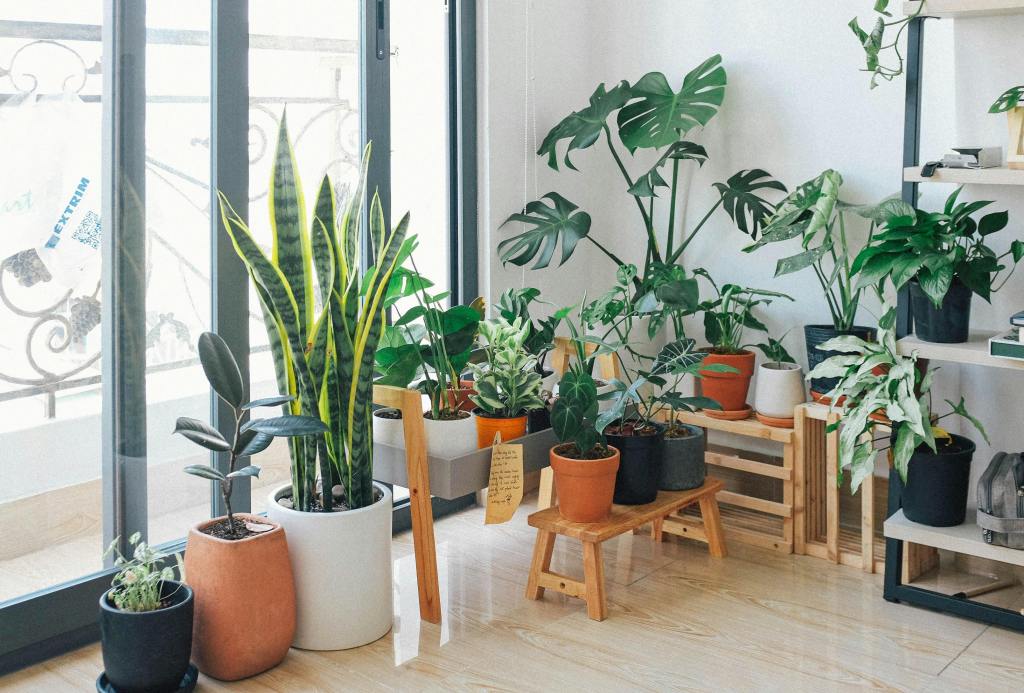
7. Plant Parenthood
Even if you’ve killed every cactus before, try again. Plants don’t care about your rota — but watching something green grow (slowly, stubbornly) is grounding.
8. Skill Roulette
Pick a random skill you have zero practical use for — juggling, origami, calligraphy— and mess around with it. Low stakes, laughs, and a surprising dopamine boost when you nail it.
9. Phone-Free Pocket
Set aside a regular “phone-free” window (even 30 minutes). No doomscrolling, no notifications. Just sit with yourself, a book, a bath, or even nothing. It’s harder than it sounds… but also bliss.
10. Kindness Drops
Do something tiny and kind for someone — leave a note, buy a coffee, text a friend out of the blue. The mood boost is ridiculous, and it yanks your brain out of the work-burnout loop.
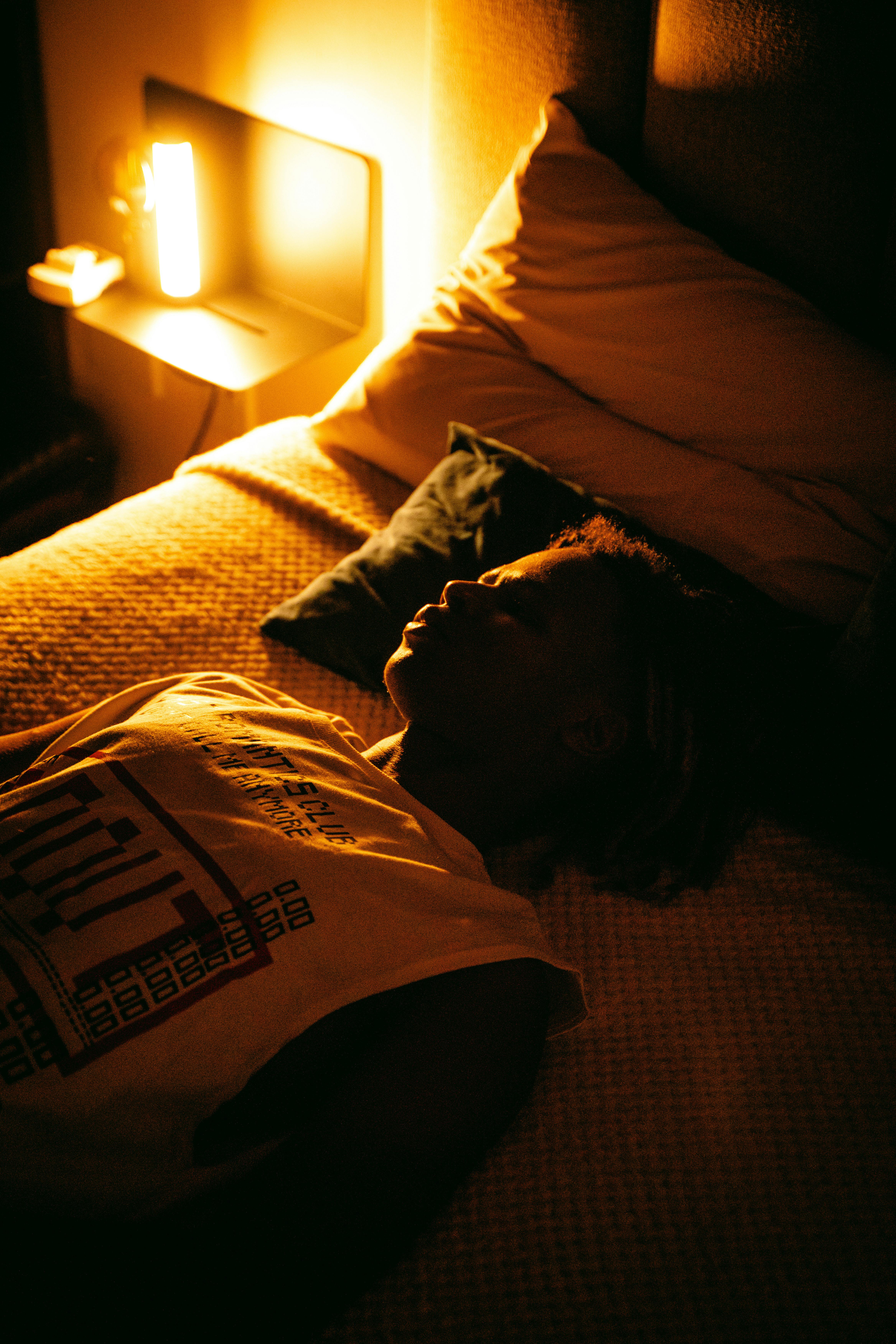
11. The 20-Minute Nap Olympics
Master the art of the power nap on days off. Dark room, eye mask, white noise app — gold medal. The trick? Don’t feel guilty about it. Napping isn’t lazy; it’s survival.
12. Commute Escapism
Turn your drive or bus ride into you-time. Podcasts, audiobooks, comedy specials — anything that makes the journey feel less like dead time and more like a reset button before you walk through your front door.

Returning to the Pre-Covid Joys
Of course, the good news is we’re no longer stuck in lockdown (hallelujah for that). So along with the techniques I mentioned above, we’ve got access again to the good old pre-Covid rituals: the gym, socialising, catching up with friends, and those long walks that magically fix everything until it rains halfway through.
One tip if your social life has taken a nosedive thanks to clashing rotas: try micro-meets. These are small catchups that don’t need tonnes of planning — like grabbing a coffee with a colleague after a night shift or squeezing in breakfast with a friend before their workday. They’re short, sweet, and far less exhausting than pretending you’re still a 21-year-old who can socialise until 2 a.m. on a “school night.” Trust me, I’ve tried. And I cannot.
And yet, these small connections really do add up — proof that it’s not about the length of time, but the quality of the things you cram into it.

Final Thoughts (aka the Moral of the Story)
So, what’s the takeaway? Don’t wait until burnout is slapping you across the face in the mirror before you make time for the things that keep you sane. Whether it’s chaotic hobbies, micro-meets, or mastering the art of the 20-minute nap, the little things matter — massively.
And if you’re currently thinking, “I don’t have time for any of this,” then congratulations: you’re exactly the person who probably needs it most.
✨ If this resonated with you, I’d love for you to subscribe, comment below, or even drop me an email with your own experiences of battling burnout and clawing back sanity. This space is here for shared stories, support, and the occasional sarcasm — because sometimes that’s all we’ve got.
 Scrubs And Sanity
Leave a reply to 5 Signs of Burnout Every Healthcare Professional Should Watch For – Scrubs And Sanity Cancel reply