
Boundaries Are Hard
Especially in health fields, where most of us chose the job because we actually care or have an interest in helping people. Saying no feels unhelpful and putting up barriers feels awkward at best, selfish at worst.
Add in my former people-pleasing self, coupled with that early career pressure of wanting to prove I was ‘good enough’, and voila. Recipe for disaster.
Former me basically thought: If I just work harder, say yes more, push through everything… then maybe I’ll be enough. Spoiler: that’s not noble, it’s a straight shot to exhaustion with a side of resentment.

The Early Days
For me, the boundary problem started right out the gate when I first qualified. I can still remember the side-eyes when I told people where my first job was. For context: a very well-established, highly-skilled team with decades of experience. Basically, an intimidating (but aspirational) bunch, meaning I felt like the awkward new kid crashing the cool table at lunch. (discloser: all in my head, my team were a bunch of brilliant, supportive and impressive as professionals and as people.)
Naturally, this did wonders for my non-existent ability to set boundaries. I rushed through my preceptorship, desperate to shed the flashing neon badge of “inexperienced new girl.” And if I’m being brutally honest, I was also trying to convince myself that I belonged. Thing is, I did belong — because you don’t just accidentally land the job.

Too Much Too Soon
Mistake number two? Taking on tasks that were technically above my pay grade too soon. Now, don’t get me wrong — I’m all for progression, pushing yourself, and jumping in when it feels uncomfortable. Personally, I only really learn when I’m thrown in the deep end. Left to my own devices, I’ll overthink any task, tie myself in mental knots, and transform into a fumbling, stuttering mess.
But here’s the kicker: I didn’t just dip a toe in the deep end — I cannonballed straight in. Way too much, way too soon. There are situations I somehow muddled through, only to realise there were about 100 better ways to handle them. You know what taught me that? Time. Repeated exposure. The actual experience of falling into tricky situations and learning how to climb back out.
If I could go back and tell myself one thing, it would be this: baby steps. It’s not a race. And those giant, cheetah-speed leaps I was so determined to take? Totally unnecessary, and honestly? Barely recognised by the system. To management I was “keen and promising.” (my first manager was one the best I’ve had.) To the wider system? Cheap labour. At my own stressed-out expense.

The Final Hurdle
It wasn’t until way down the road in my career, when I finally had the experience and confidence I’d been chasing, that I started to release I needed to develop the trickiest skill of them all: saying no.
My role was unpredictable, part of a reactive service. Which meant that every time I said yes to “helping out” picking up an extra handful of tasks, I was potentially derailing my entire day. This risked compromising patient care, throwing the service off balance, and grinding me down. This happened on countless occasions, causing late finishes, skipped meals, and collapsing into bed too exhausted to sleep, with a hundred tasks still running worried laps in my head.

Here’s the reality
We all know you can’t go through your career with a hard “no” stamped across your forehead. We’re all in this broken system together; helping each other really gets us and our patients through the day.
But it’s about balance — and yes, those baby steps again. A “yes, but” works wonders: Yes, I can take this on, but if my day shifts, I’ll need to hand it back. Or Yes, I’ll grab this smaller task that I can wrap up quickly, so it actually helps you without torpedoing my own workload.
It feels uncomfortable at first, but it’s the kind of boundary-setting that actually works.
A Helping Hand
For me, setting boundaries developed over time. Experience builds confidence, which helps you see what’s within your role and what’s not. But until you reach that point, it’s crucial to recognise if boundaries are a challenge. This way, you can reduce the kind of deep-end struggle I had.

So what can you actually do?
- Say “yes, but with conditions.”
If you can’t bring yourself to outright say no, soften it: “I can do that, but it’ll have to wait until after X is done.” You’re not refusing—you’re just not letting their emergency become your priority.
- The “No, but…” response
Instead of a flat “no,” try: “I can’t take that on right now, but here’s what I can do…” It keeps you helpful without throwing your sanity under a bus.
- Use your calendar as a shield
Block time for actual work (or even a breather). If it’s not in the diary, it could get filled with something. Even a “quick meeting.”

- Stop apologising for existing
You don’t need to start every boundary with “Sorry, but…” You’re allowed to have limits. Try “Thanks for asking, I won’t be able to this time” instead. Notice how the world doesn’t end.
- Decide your non-negotiables
Lunch breaks, leaving on time twice a week, not answering emails at 11 p.m. Whatever they are, set them and stick to them. Consistency is the key – if you cave it could be a slippery slope.
- Get comfortable with silence.
When someone piles more work onto your plate, pause before answering. That tiny gap gives you space to think instead of instantly blurting “Sure!” (Classic people-pleaser reflex.)
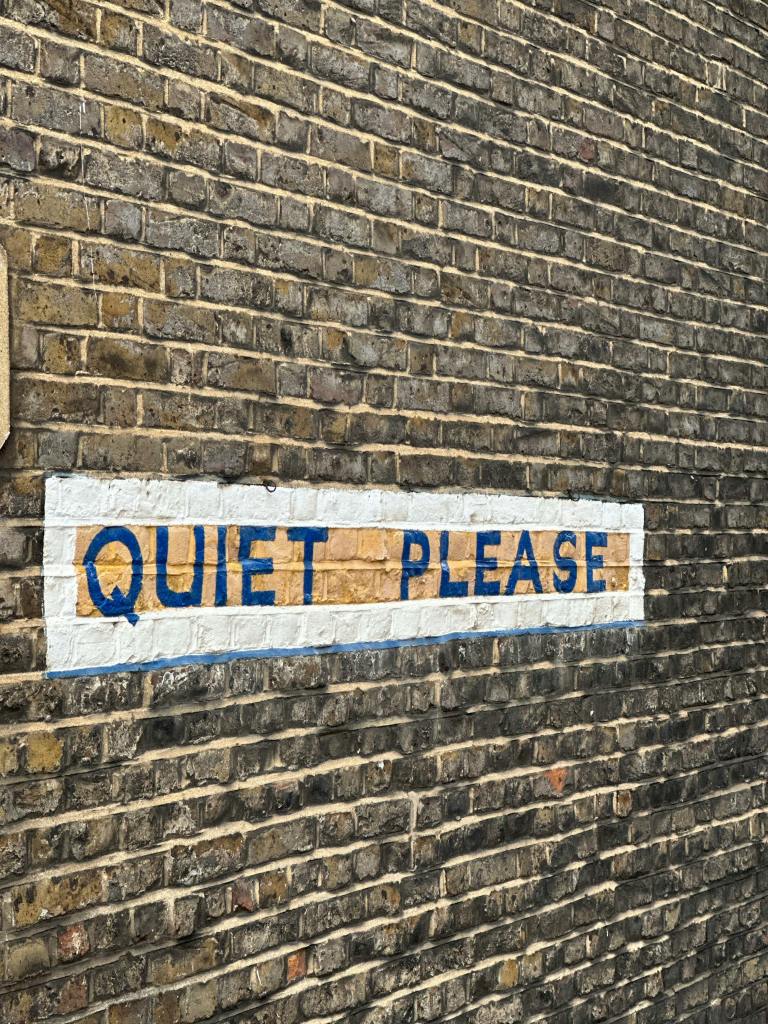
- Remember: you’re not on call for everyone’s feelings.
You can care about people and still protect your energy. “No” doesn’t mean you don’t care—it just means you’re not sacrificing yourself to prove it.
- Boundary buddy up
Find a colleague who’s also trying to set boundaries. Hold each other accountable — and remind each other that rest is not a crime.

Real talk
What I will say is this: the period of my career when boundaries were basically a foreign language had a real impact — and not the good kind. Clinically, I was running on decision fatigue, second-guessing myself, and struggling to think straight. Confidence? Pretty much non-existent.
Personally, it was just as rough. I’d come home drained, still replaying every detail, convinced I’d missed something catastrophic. The emotional hangover was relentless — flat, exhausted, and needing several days (thank you, shift work) to feel human again. In the meantime? Social life: gone. Cleaning and exercise: forgotten. Basically, my entire life got shoved onto the back burner.
And that, as I’m sure we know, is a very slippery slope.

Final thoughts
The good news? It doesn’t have to stay that way. Once you start setting boundaries, things really do get better — clearer, calmer, and far more enjoyable. You get to love the work again, instead of just surviving it.
Here’s a helpful video on boundary setting below
Get in touch!
If you’ve got your own boundary-setting tips (or just want to vent), drop them in the comments or message me directly. And if you found this helpful, hit subscribe for more reflections, strategies, and reminders that you’re not alone in this.
 Scrubs And Sanity
Leave a comment